It starts with daily habits
According to the WHO, most cardiovascular diseases can be prevented by addressing behavioural and environmental risk factors: tobacco use, unhealthy diet and obesity, physical inactivity, harmful use of alcohol and air pollution.
A heart-friendly plate
- Cut down on salt — the WHO links high salt intake to raised blood pressure.
- Eat fruit, vegetables and whole grains every day.
- Choose oily fish, nuts and olive oil over fatty meat and fried food.
- Limit sugary drinks and sweets.
Nutrients with a role
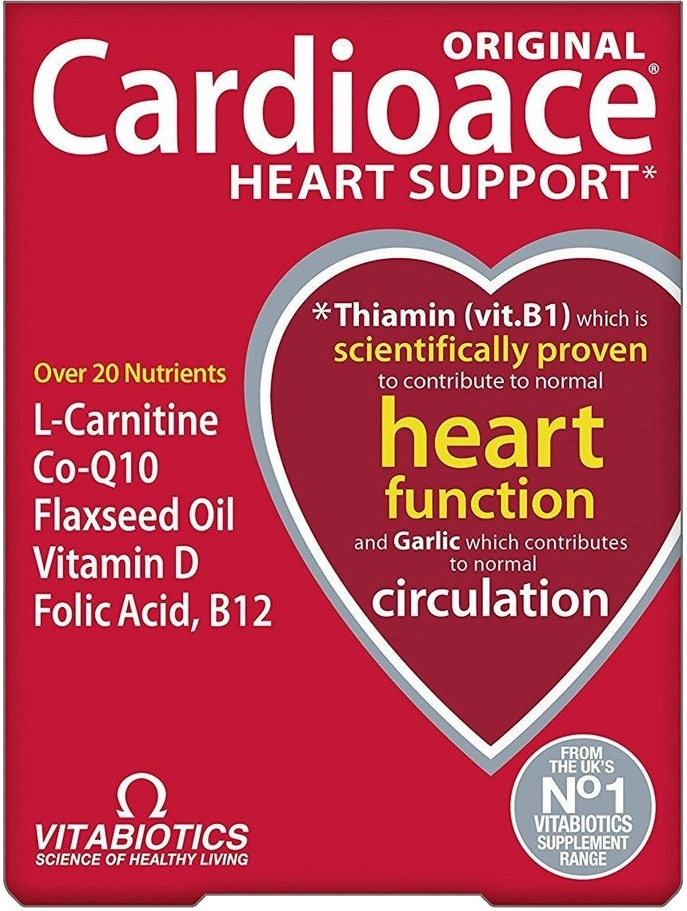
Thiamin (vitamin B1) contributes to the normal function of the heart. Vitamins B6, B12 and folate contribute to normal homocysteine metabolism. The omega-3 fats EPA and DHA contribute to the normal function of the heart, with a beneficial effect from a daily intake of 250mg; oily fish such as salmon and sardines are the main food source. Cardioace combines thiamin with B vitamins, magnesium and vitamin D.
Know your numbers
High blood pressure, high cholesterol and high blood sugar often have no symptoms. Regular checks with your doctor are the only way to know — and the earlier you know, the more you can do.
Important
A supplement never replaces medicines for blood pressure, cholesterol or the heart. If you take heart medicines or blood thinners, ask your doctor before starting any supplement. Chest pain, or pain spreading to the arm, jaw or back, is an emergency: call for help immediately.
This information is for general education and does not replace advice from your doctor or pharmacist.
Sources
We cite public health authorities only.