What is changing
The menopause is when periods stop because of lower hormone levels. The NHS says it usually happens between 45 and 55, though it can come earlier. The years around it can bring hot flushes, mood changes, trouble concentrating and poor sleep.
Protecting your bones
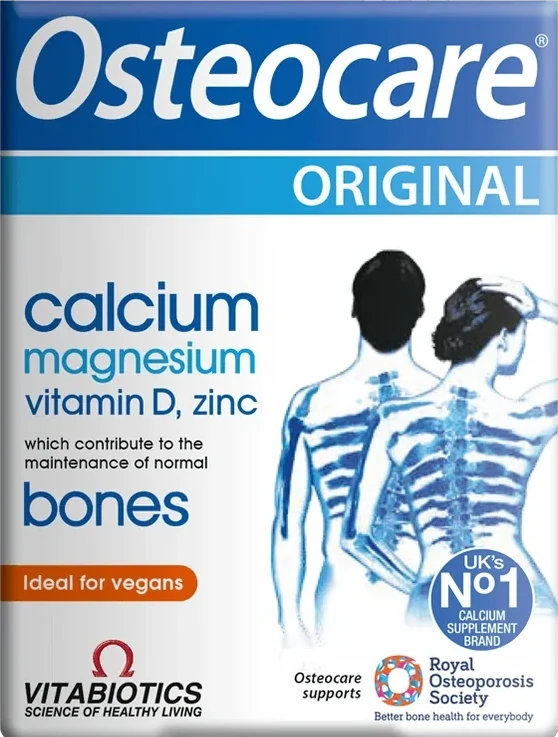
Bone loss speeds up after the menopause. Calcium is needed for the maintenance of normal bones, and vitamin D contributes to its normal absorption. The NHS also recommends regular weight-bearing exercise such as walking, not smoking and cutting down on alcohol. Osteocare combines calcium with vitamin D, magnesium and zinc.
Things you can do yourself
The NHS suggests:
- Avoid triggers for hot flushes such as spicy food, caffeine, hot drinks, smoking and alcohol.
- Keep cool: light clothing, a fan, a cool shower or a cold drink.
- Exercise regularly and keep to a healthy weight.
- Find ways to reduce stress.
Nutrients for this stage
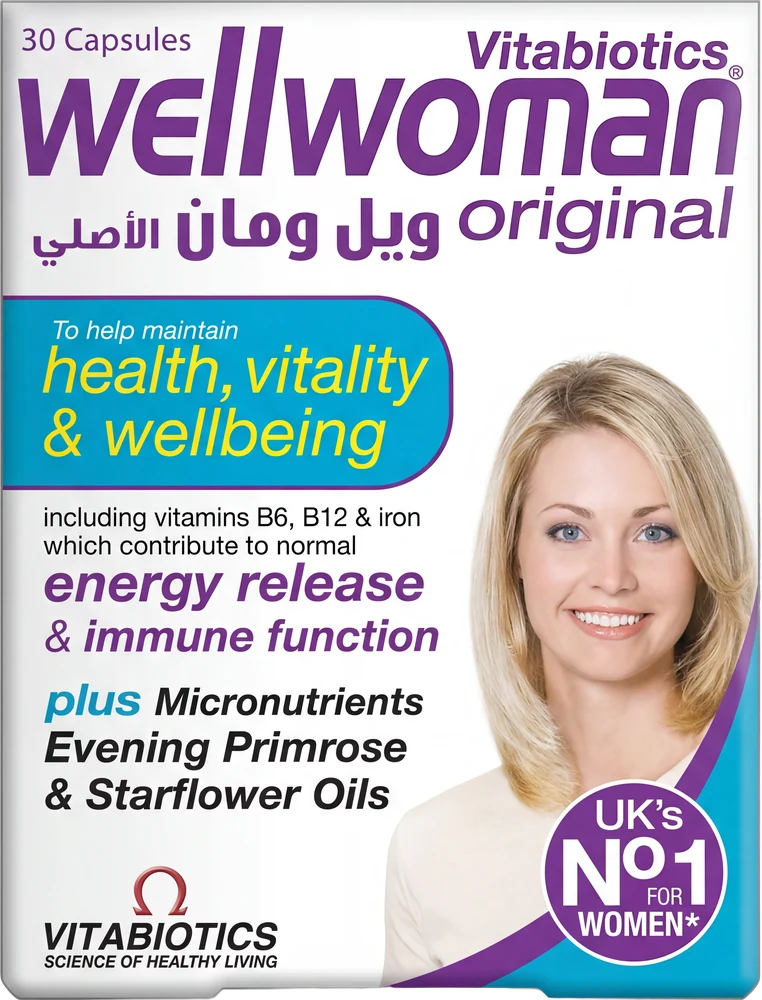
Vitamin B6 contributes to the regulation of hormonal activity, and magnesium contributes to the reduction of tiredness and fatigue. A women’s multivitamin such as Wellwoman can cover these alongside a varied diet. After the menopause, the NHS advises keeping vitamin A below 1.5mg a day from food and supplements combined, so check the labels if you take more than one product.
When to see a doctor
If symptoms are affecting your daily life, see your doctor: there are effective treatments, including hormone replacement therapy (HRT), that only a doctor can advise on. Any bleeding after your periods have stopped should always be checked by a doctor.
This information is for general education and does not replace advice from your doctor or pharmacist.
Sources
We cite public health authorities only.