Food first, supplements second
The NHS says most people should get the nutrients they need from a varied and balanced diet, although some people need extra. A supplement fills specific gaps — it does not replace a varied diet and a healthy lifestyle.
Timing and food
Follow the directions on the pack. Many multivitamins are best taken with or after the main meal, and fat-soluble vitamins such as A, D, E and K are absorbed alongside food. Choose a time you will remember every day — consistency matters more than the exact hour.
More is not better
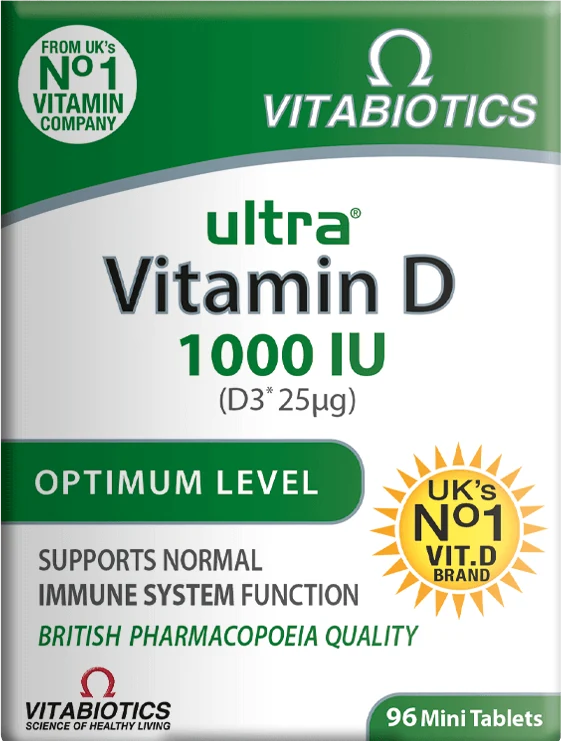
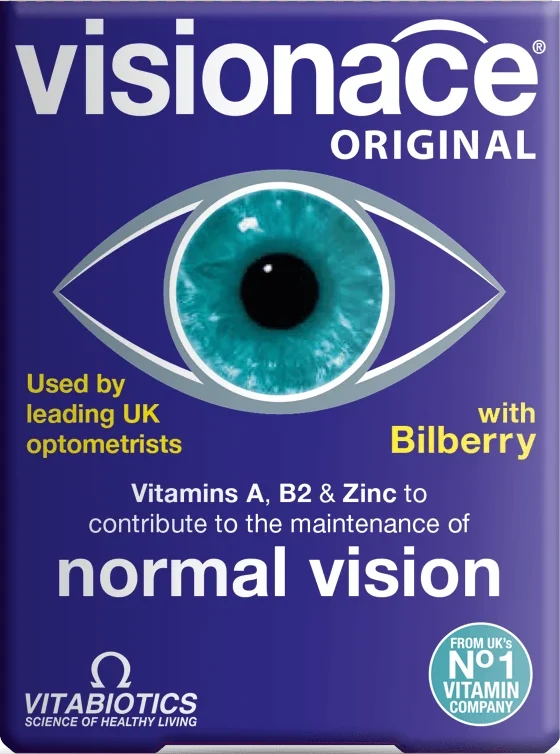
Never exceed the stated dose. Some nutrients build up in the body: the NHS warns that too much vitamin D over a long time can raise calcium levels, and that more than 1.5mg of vitamin A a day over many years may affect the bones.
- Do not take two multivitamins together.
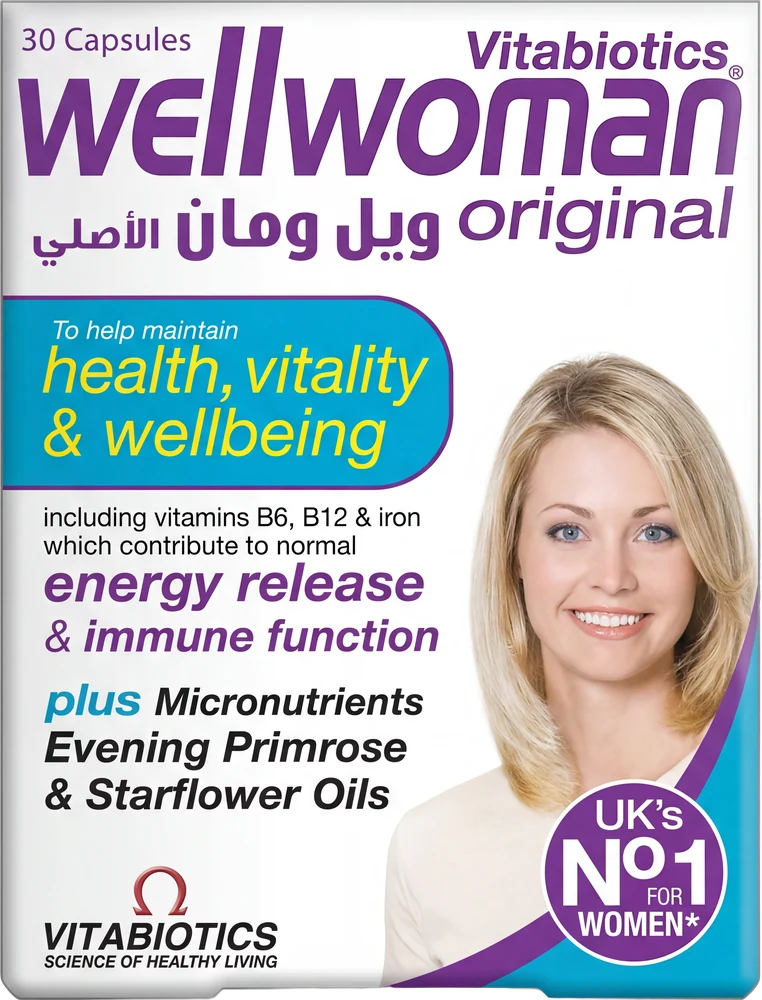
- Add up the nutrients across all your products — vitamin D and zinc often appear in several.
- Keep supplements out of children’s reach — iron in particular can be dangerous for them.
Tell your doctor and pharmacist
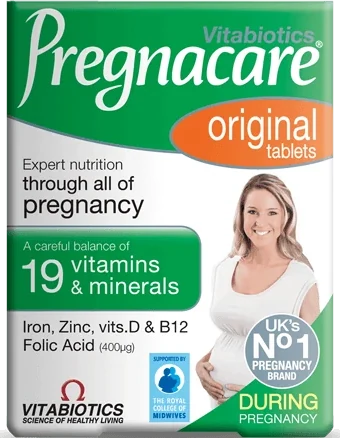
Some supplements can interact with medicines — for example, vitamin K can affect how the blood thinner warfarin works. Always tell your doctor and pharmacist about every supplement you take, especially before an operation, and if you are pregnant, breastfeeding, or giving supplements to a child.
Storage and expiry
Keep supplements in a cool, dry place away from direct sun — not in a hot car or next to the stove, which matters in an Iraqi summer. Check the expiry date, and do not use a product past it.
This information is for general education and does not replace advice from your doctor or pharmacist.
Sources
We cite public health authorities only.